 LOWIFAR CERAMIC
ความต้องการที่เพิ่มขึ้นสำหรับชิ้นส่วนหน้าแปลนเซรามิกความแม่นยำ
ในขณะที่อุตสาหกรรมสมัยใหม่ยังคงผลักดันขอบเขตของประสิทธิภาพ, ความน่าเชื่อถือ, และประสิทธิภาพการทำงาน, ชิ้นส่วนโลหะแบบดั้งเดิมถูกท้าทายมากขึ้นจากเซรามิกวิศวกรรมขั้นสูง. ในบรรดาชิ้นส่วนพิเศษเหล่านี้, ชิ้นส่วนหน้าแปลนเซรามิกความแม่นยำกลายเป็นโซลูชันที่สำคัญสำหรับการใช้งานที่ต้องการความทนทานต่อการสึกหรอเป็นพิเศษ, ความต้านทานการกัดกร่อน, ฉนวนไฟฟ้า, และความคงตัวด้านมิติที่ยอดเยี่ยม.
หน้าแปลนเซรามิกความแม่นยำถูกใช้อย่างแพร่หลายในอุตสาหกรรมการผลิตเซมิคอนดักเตอร์, กระบวนการเคมี, อุปกรณ์ทางการแพทย์, ระบบอวกาศ, เทคโนโลยีพลังงาน, และเครื่องจักรความแม่นยำสูง. ความสามารถของพวกมันในการทำงานในสภาพแวดล้อมสุดโต่งที่โลหะทั่วไปอาจล้มเหลวทำให้พวกมันเป็นชิ้นส่วนที่มีความสำคัญเพิ่มขึ้นในระบบอุตสาหกรรมสมัยใหม่.
ชิ้นส่วนหน้าแปลนเซรามิกความแม่นยำคืออะไร??
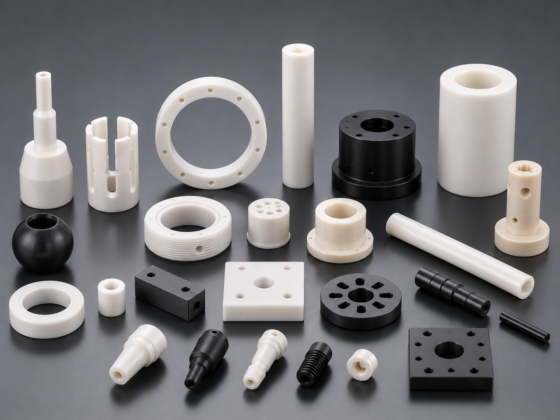
A ceramic flange is a precision-machined component featuring a flange structure used for positioning, sealing, connecting, or supporting mechanical assemblies. Unlike traditional steel or aluminum flanges, ceramic flanges are manufactured from advanced technical ceramics and are designed to withstand aggressive operating conditions.
Through advanced CNC machining, grinding, lapping, and polishing processes, ceramic flange components can achieve tight dimensional tolerances and superior surface finishes, making them suitable for high-precision assemblies.
Common ceramic flange configurations include:
- Flat flanges
- Stepped flanges
- Threaded ceramic flanges
- Vacuum sealing flanges
- Customized precision ceramic flange components
Common Materials Used for Precision Ceramic Flanges
Alumina Ceramic (Al₂O₃)
อลูมินาเป็นวัสดุเซรามิกวิศวกรรมที่ใช้กันอย่างแพร่หลายมากที่สุดเนื่องจากมีสมดุลที่ดีระหว่างคุณสมบัติทางกลและไฟฟ้า.
คุณลักษณะสำคัญ:
- ความแข็งสูง
- ทนต่อการสึกหรอได้ดีเยี่ยม
- เป็นฉนวนไฟฟ้ายอดเยี่ยม
- ทนต่อการกัดกร่อนได้ดี
- การผลิตมีประสิทธิภาพด้านต้นทุน
เกรดความบริสุทธิ์ที่มีจำหน่ายโดยทั่วไปรวมถึง:
- 95% อลูมินา
- 99% อลูมินา
- 99.5% อลูมินา
- 99.7% อลูมินา
เซรามิกเซอร์โคเนีย (ZrO₂)
ซิแคร์เนียมีชื่อเสียงในด้านความทนทานและความต้านทานต่อรอยแตกเป็นพิเศษเมื่อเทียบกับวัสดุเซรามิกอื่น ๆ.
ข้อดีรวมถึง:
- ความทนทานต่อการแตกสูง
- ความแข็งแรงทางกลเหนือกว่า
- ทนต่อการสึกหรอได้ดีเยี่ยม
- ค่าการนำความร้อนต่ำ
- ความคงตัวของขนาดสูง
ชิ้นส่วนหน้าแปลนเซรามิกซิแคร์เนียมักถูกเลือกใช้ในงานประกอบที่มีความแม่นยำและการใช้งานอุปกรณ์ทางการแพทย์ที่ต้องการรับน้ำหนักสูง.
ซิลิคอนไนไตรด์ (Si₃N₄)
ซิลิกอนไนไตรด์รวมความแข็งแรงสูงกับความหนาแน่นต่ำ, ทำให้เหมาะสมสำหรับการใช้งานทางกลที่ต้องการความทนทาน.
ประโยชน์รวมถึง:
- ทนต่ออุณหภูมิสูง
- ทนต่อแรงช็อกความร้อนได้ดีเยี่ยม
- ค่าความเสียดทานต่ำ
- ความน่าเชื่อถือทางกลสูง
- ประสิทธิภาพในการทนต่อความเหนื่อยล้าสูง
ซิลิกอนคาร์ไบด์ (SiC)
ซิลิคอนคาร์ไบด์มีความแข็งและทนต่อสารเคมีเป็นพิเศษ.
การใช้งานทั่วไปรวมถึง:
- อุปกรณ์ประมวลผลสารเคมี
- ระบบปั๊ม
- ชิ้นส่วนวาล์ว
- อุปกรณ์การผลิตเซมิคอนดักเตอร์
ข้อได้เปรียบหลักของชิ้นส่วนหน้าแปลนเซรามิกความแม่นยำ
ความต้านทานต่อการสึกหรอเป็นพิเศษ
เซรามิกวิศวกรรมมีความแข็งมากกว่ากำลังเหล็กชุบแข็ง, ให้ระยะเวลาการใช้งานยาวนานในสภาพแวดล้อมที่มีการสึกหรอ.
ความต้านทานการกัดกร่อนที่เหนือกว่า
วัสดุเซรามิกทนต่อการโจมตีจากกรด, ด่าง, ตัวทำละลาย, และก๊าซกัดกร่อน, ทำให้เหมาะสำหรับอุตสาหกรรมเคมีและเภสัชกรรม.
ประสิทธิภาพการเป็นฉนวนไฟฟ้า
ต่างจากหน้าแปลนโลหะ, หน้าแปลนเซรามิกมีคุณสมบัติไดอิเล็กทริกที่ยอดเยี่ยม, ป้องกันการรั่วไหลของไฟฟ้าและเพิ่มความปลอดภัยของระบบ.
ความสามารถทนต่ออุณหภูมิสูง
วัสดุเซรามิกขั้นสูงหลายชนิดคงคุณสมบัติทางกลไว้ได้ที่อุณหภูมิเกิน 1000°C, ทำให้เหมาะสมกับสภาพแวดล้อมที่มีอุณหภูมิรุนแรง.
ออกแบบน้ำหนักเบา
วัสดุเซรามิกบางชนิดมีความหนาแน่นต่ำกว่าเหล็กในขณะที่ยังคงรักษาสัดส่วนความแข็งแรงต่อความหนาแน่นที่ยอดเยี่ยม, ช่วยเพิ่มประสิทธิภาพของอุปกรณ์.
ความคงตัวของขนาด
ชิ้นส่วนหน้าแปลนเซรามิกความแม่นยำแสดงการขยายตัวทางความร้อนน้อยที่สุดและรักษาความถูกต้องของขนาดภายใต้สภาวะการทำงานที่หลากหลาย.
การใช้งานทั่วไปของชิ้นส่วนหน้าแปลนเซรามิกความแม่นยำ
อุตสาหกรรมเซมิคอนดักเตอร์
อุตสาหกรรมเซมิคอนดักเตอร์ต้องการวัสดุที่สะอาดสูงและมีความคงตัวสูงสำหรับการประมวลผลเวเฟอร์และระบบสุญญากาศ.
หน้าแปลนเซรามิกมักถูกใช้ใน:
- ห้องสุญญากาศ
- ระบบการจัดการเวเฟอร์
- อุปกรณ์ประมวลผลพลาสม่า
- อุปกรณ์ตรวจสอบเซมิคอนดักเตอร์
อุปกรณ์แปรรูปทางเคมี
หน้าแปลนเซรามิกให้ความน่าเชื่อถือในระยะยาวในสภาพแวดล้อมทางเคมีที่รุนแรง.
การใช้งานรวมถึง:
- ปั๊มเคมี
- ระบบควบคุมการไหล
- อุปกรณ์การจ่ายสาร
- ระบบท่อที่ทนต่อการกัดกร่อน
อุปกรณ์ทางการแพทย์และห้องปฏิบัติการ
ความสามารถในการเข้ากันกับสิ่งมีชีวิตและความเสถียรทางเคมีทำให้ชิ้นส่วนเซรามิกเหมาะสมกับเทคโนโลยีทางการแพทย์.
ตัวอย่างได้แก่:
- เครื่องมือวินิจฉัย
- อุปกรณ์วิเคราะห์
- ระบบของไหลทางการแพทย์
- อุปกรณ์ฆ่าเชื้อ
การบินและอวกาศและการป้องกันประเทศ
ชิ้นส่วนเซรามิกที่มีความแม่นยำช่วยปรับปรุงความน่าเชื่อถือภายใต้สภาพการทำงานที่รุนแรง.
การใช้งานทั่วไปได้แก่:
- ตัวเรือนเซนเซอร์
- ระบบป้องกันความร้อน
- ชุดประกอบอุณหภูมิสูง
- กลไกการจัดตำแหน่งที่แม่นยำ
ระบบอัตโนมัติในอุตสาหกรรม
ชิ้นส่วนหน้าแปลนเซรามิกช่วยเพิ่มความแม่นยำและยืดอายุการใช้งานของอุปกรณ์ในระบบการผลิตอัตโนมัติ.
การใช้งานรวมถึง:
- ระบบหุ่นยนต์
- อุปกรณ์การเคลื่อนไหวที่แม่นยำ
- เครื่องตรวจสอบด้วยแสง
- อุปกรณ์ประกอบความเร็วสูง
กระบวนการผลิตที่แม่นยำ
การผลิตชิ้นส่วนหน้าแปลนเซรามิกคุณภาพสูงต้องใช้เทคโนโลยีการผลิตเฉพาะทาง.
ขั้นตอนการผลิตทั่วไปได้แก่:
- การเตรียมผงเซรามิก
- การอัดหรือการขึ้นรูป
- การเผาเซรามิกที่อุณหภูมิสูง
- การกลึงด้วยเครื่อง CNC
- การเจียรละเอียด
- การขัดผิว
- การตรวจสอบขนาด
- การควบคุมคุณภาพขั้นสุดท้าย
ความสามารถในการกลึงขั้นสูงช่วยให้หน้าแปลนเซรามิกสามารถบรรลุ:
- ความคลาดเคลื่อนของขนาดที่เข้มงวด
- รูปทรงที่ซับซ้อน
- ความเป็นศูนย์กลางสูง
- พื้นผิวการปิดผนึกที่แม่นยำ
- คุณสมบัติการติดตั้งแบบกำหนดเอง
โซลูชันหน้าแปลนเซรามิกความแม่นยำแบบกำหนดเอง
การใช้งานอุตสาหกรรมหลายประเภทต้องการการออกแบบหน้าแปลนเซรามิกที่ไม่เป็นมาตรฐานซึ่งปรับตามข้อกำหนดของอุปกรณ์เฉพาะ.
ตัวเลือกการปรับแต่งมักรวมถึง:
- ขนาดเส้นผ่านศูนย์กลางภายนอกและภายใน
- ความหนาของหน้าแปลน
- รูปแบบรูน็อต
- คุณลักษณะเกลียว
- พื้นผิวการปิดผนึกที่แม่นยำ
- ข้อกำหนดผิวหน้า
- การเลือกวัสดุ
ชิ้นส่วนหน้าแปลนเซรามิกแบบกำหนดเองสามารถผลิตตามแบบของลูกค้า, ไฟล์ CAD, หรือข้อกำหนดทางวิศวกรรม.
แนวโน้มในอนาคตของชิ้นส่วนวิศวกรรมเซรามิก
ความต้องการวัสดุประสิทธิภาพสูงที่เพิ่มขึ้นยังคงขับเคลื่อนนวัตกรรมในเทคโนโลยีเซรามิกความแม่นยำ. อุตสาหกรรมเกิดใหม่ เช่น ยานยนต์ไฟฟ้า, ระบบพลังงานทดแทน, การผลิตเซมิคอนดักเตอร์, และอุปกรณ์ทางการแพทย์ขั้นสูง กำลังเร่งการนำส่วนประกอบโครงสร้างเซรามิกมาใช้.
การพัฒนาในอนาคตคาดว่าจะเน้นไปที่:
- การผลิตที่มีความแม่นยำสูงขึ้น
- ความทนทานของเซรามิกที่ปรับปรุงแล้ว
- รูปทรงซับซ้อนตามสั่ง
- วิศวกรรมพื้นผิวที่พัฒนาขึ้น
- วัสดุผสมเซรามิกขั้นสูง
นวัตกรรมเหล่านี้จะช่วยขยายการใช้ชิ้นส่วนหน้าแปลนเซรามิกความแม่นยำในแอปพลิเคชันอุตสาหกรรมยุคต่อไป.
บทสรุป
ชิ้นส่วนหน้าแปลนเซรามิกความแม่นยำให้ทางออกที่เชื่อถือได้สำหรับแอปพลิเคชันที่ชิ้นส่วนโลหะแบบดั้งเดิมไม่สามารถตอบสนองความต้องการด้านประสิทธิภาพได้. ความต้านทานการสึกหรอที่เหนือกว่าของพวกมัน, ความต้านทานการกัดกร่อน, ฉนวนไฟฟ้า, และความคงตัวเชิงมิติทำให้พวกมันขาดไม่ได้ในอุตสาหกรรมเซมิคอนดักเตอร์, อุตสาหกรรมเคมี, การแพทย์, อุตสาหกรรมอวกาศ, และอุตสาหกรรมอัตโนมัติ.
ไม่ว่าจะผลิตจากอะลูมินา, เซอร์โคเนีย, ซิลิคอนไนไตรด์, หรือซิลิกอนคาร์ไบด์, ชิ้นส่วนแฟลนจ์เซรามิกความแม่นยำยังคงให้ประสิทธิภาพที่ยอดเยี่ยมในสภาพแวดล้อมอุตสาหกรรมที่ต้องการสูงสุด. เมื่อเทคโนโลยีพัฒนาขึ้น, โซลูชันวิศวกรรมเซรามิกจะมีบทบาทสำคัญมากขึ้นในการปรับปรุงความน่าเชื่อถือของอุปกรณ์, ประสิทธิภาพ, และอายุการใช้งาน.